









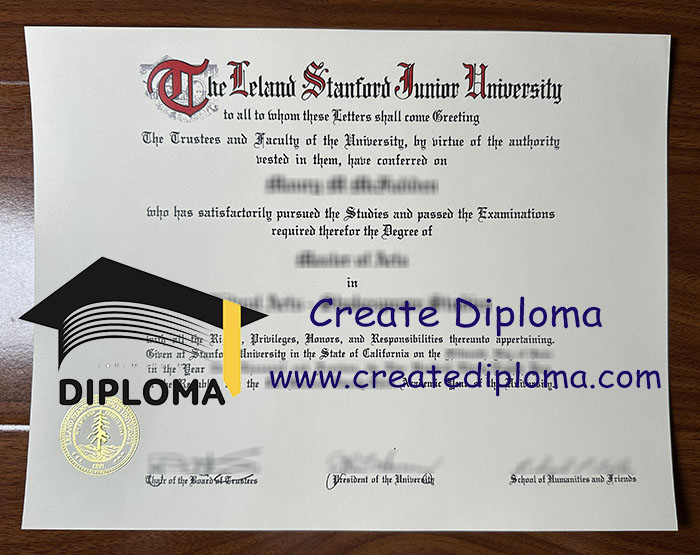
Major Benefits of Obtain a Stanford University Degree. Where to get a realistic Stanford University Degree Quickly? The Stanford University Master of Arts (MA) degree represents the pinnacle of academic achievement, intellectual rigor, and interdisciplinary innovation. As one of the world’s most prestigious universities, Stanford offers a transformative graduate experience that empowers students to explore complex ideas, conduct groundbreaking research, and lead in diverse fields—from humanities and social sciences to education, policy, and the arts. Whether you’re aiming for academic leadership, career advancement, or deeper scholarly engagement, a Master of Arts from Stanford University provides the knowledge, network, and credibility to succeed on a global stage.
Why Pursue a Master of Arts at Stanford University?
Stanford’s MA programs are designed for high-achieving students who seek more than just a degree—they seek transformation. With access to Nobel laureates, MacArthur Fellows, and pioneering researchers, students are immersed in a culture of curiosity, critical thinking, and real-world impact. Unlike traditional graduate programs, Stanford emphasizes interdisciplinary collaboration, encouraging students to bridge fields and tackle global challenges with innovative solutions.
The flexibility of the MA curriculum allows students to tailor their studies to individual interests, whether in history, psychology, education, sociology, linguistics, or comparative literature. This academic freedom, combined with world-class mentorship, fosters deep expertise and original scholarship.
Academic Excellence and Research Opportunities
Stanford University is consistently ranked among the top universities globally, and its graduate programs reflect this standard of excellence. The Master of Arts degree is offered through various departments and schools, including the School of Humanities and Sciences—the university’s largest academic division.
Students benefit from:
● Small, seminar-style classes that promote close faculty interaction
● Access to cutting-edge research centers and digital humanities labs
● Funding opportunities for independent research and conference travel
● Interdisciplinary initiatives such as the Stanford Humanities Center and the Center for Comparative Studies in Race and Ethnicity
Many MA students collaborate with faculty on publications, present at international conferences, and contribute to policy-informing research—experiences that strengthen both academic and professional trajectories.
Flexible Learning and Career Advancement
Stanford offers both full-time and part-time enrollment options, with some programs providing hybrid or online components to accommodate working professionals. The typical MA program spans 1–2 years, culminating in a thesis, capstone project, or comprehensive examination.
Graduates of Stanford’s MA programs go on to pursue doctoral degrees at top-tier institutions, lead in education and nonprofit sectors, shape public policy, or enter leadership roles in tech, media, and cultural organizations. Stanford’s Career Center provides dedicated support, including alumni networking, internship placements, and professional development workshops.
Admissions and Eligibility
Admission to Stanford’s Master of Arts programs is highly competitive and varies by department. Applicants typically need:
● A bachelor’s degree from an accredited institution
● Strong academic transcripts and writing samples
● Statement of purpose outlining research interests
● Letters of recommendation (usually 3)
● Proficiency in English (TOEFL/IELTS for international applicants)
GRE requirements vary by program—many have waived or made it optional in recent years.
Why Stanford Stands Out
Stanford University isn’t just a place to earn a degree—it’s a launchpad for lifelong impact. With its location in the heart of Silicon Valley, access to innovation ecosystems, and a global alumni network of leaders and changemakers, Stanford offers more than education: it offers transformation.